
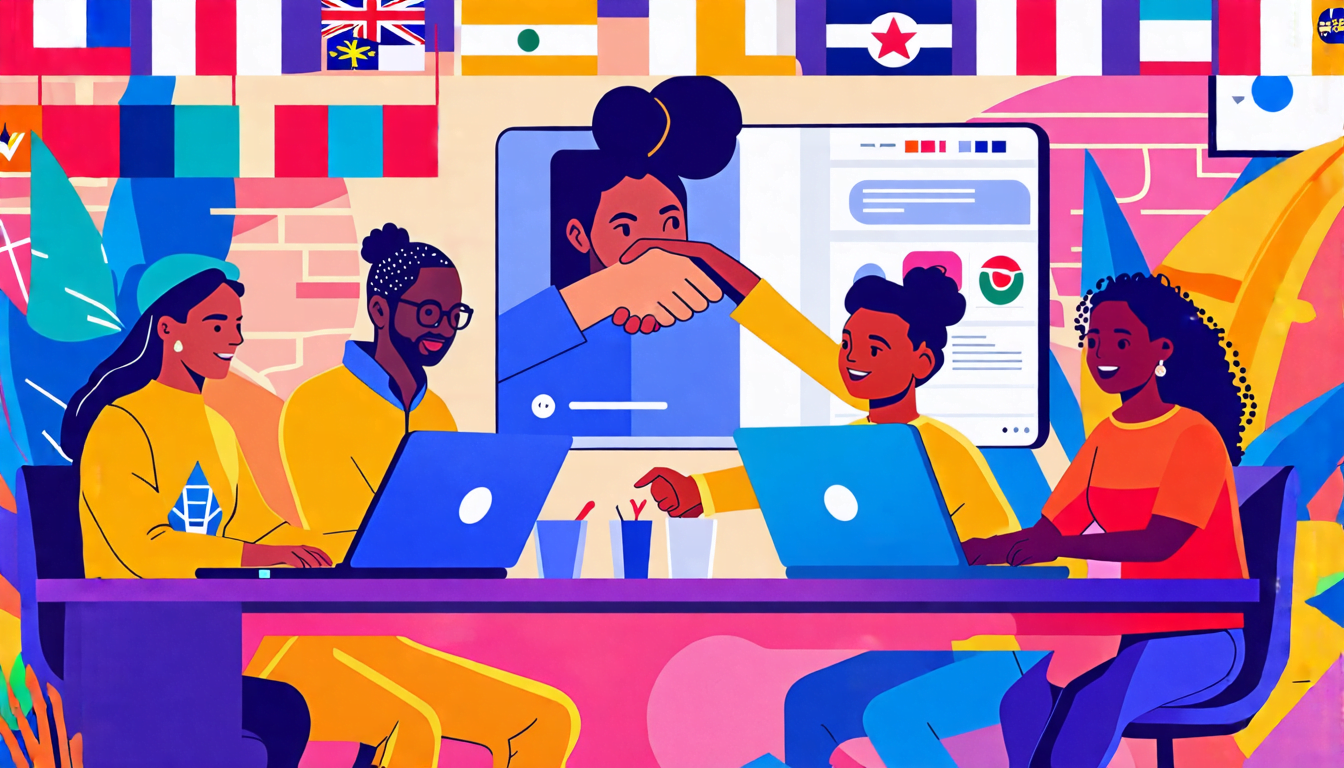
Why Cultural Intelligence Matters for Freelancers
Picture this: You’re a freelance designer, and you just landed a big project with a client from Japan. You’re pumped, but then reality hits – you know zilch about Japanese business culture. Uh-oh.
This is where cultural intelligence intelligence comes in handy. It’s not just about knowing which fork to use at a fancy dinner (though that helps). It’s about navigating the subtle nuances of different cultures to build stronger relationships and deliver killer work.
What is Cultural Intelligence, Anyway?
Cultural intelligence, or CQ, is like EQ’s worldly cousin. It’s your ability to work effectively across cultures. Think of it as your secret weapon for connecting with clients and colleagues from all corners of the globe.
I remember when I first started freelancing, I thought being professional meant being formal and distant. Boy, was I wrong. Turns out, in some cultures, building a personal connection is crucial before talking business. Who knew small talk could be so important?
Why Freelancers Need to Care About
1. It Opens Doors
Let’s face it, the freelance world is getting crowded. Having cultural intelligence sets you apart. It’s like having a master key that unlocks opportunities across different markets and cultures.
2. It Helps You Avoid Facepalm Moments
Ever sent a thumbs-up emoji to a client only to realize later it’s offensive in their culture? Yeah, me neither (wink). Cultural intelligence helps you dodge these awkward bullets.
3. It Boosts Your Bottom Line
When you understand your clients’ cultural context, you can tailor your services to meet their needs better. Happy clients = repeat business = cha-ching!
How to Level Up Your Cultural Intelligence
1. Be Curious, Not Judgmental
Approach cultural differences with an open mind. Instead of thinking, That’s weird, ask yourself, That’s interesting, I wonder why they do it that way?
2. Do Your Homework
Before working with a client from a different culture, spend some time researching their customs and business practices. It’s like studying for an exam, except the reward is cold, hard cash.
3. Listen More, Talk Less
Sometimes, the best way to learn is to shut up and listen. Pay attention to how your clients communicate and mirror their style.
4. Embrace the Awkward
You’re going to make mistakes, and that’s okay. The key is to learn from them. That time I accidentally insulted a client’s grandmother? Yeah, not my finest moment, but you bet I never made that mistake again.
Real Talk: Cultural Intelligence in Action
Let me share a quick story. I once had a client from India who kept saying doing the needful in our emails. At first, I was confused. Was this some secret code? Turns out, it’s a common phrase in Indian English that basically means I’ll take care of it. Once I understood that, our communication improved tenfold.
Cultural intelligence isn’t about becoming an expert in every culture (that would be exhausting). It’s about being adaptable, respectful, and open to learning. It’s about understanding that there’s more than one way to skin a cat (though maybe don’t use that phrase with your vegan clients).
The Bottom Line
In today’s globalized freelance market, cultural intelligence isn’t just a nice-to-have – it’s a must-have. It’s the difference between being a local freelancer and a global powerhouse.
So, next time you’re feeling stuck in your freelance career, maybe it’s time to brush up on your cultural intelligence. Who knows? Your next big break might come from a client halfway across the world. And when it does, you’ll be ready to rock it, cultural faux pas-free.